XL
Cities

68% of the world population is projected to live in
urban areas by 2050 (UN-DESA). This is bringing
an immense pressure on resources, food security,
social equity and at the same time new opportunity
to re-shape our cities whilst leaving no one behind.
According to the World Bank cities account for over
70% of global CO2 emissions, and it is a called for
raised ambition for climate action and nature – based
design approaches.

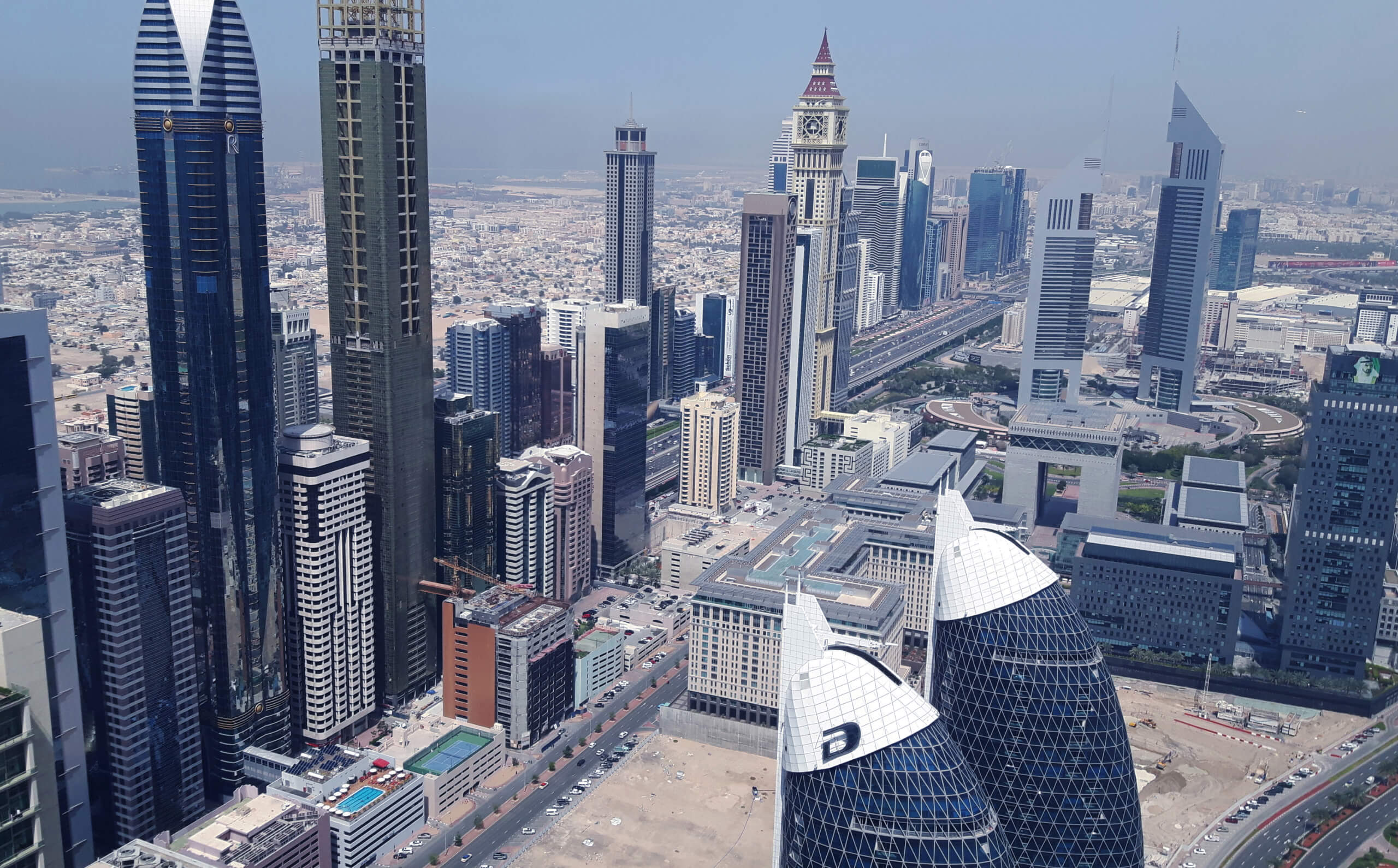
Dubai © Sandra Piesik

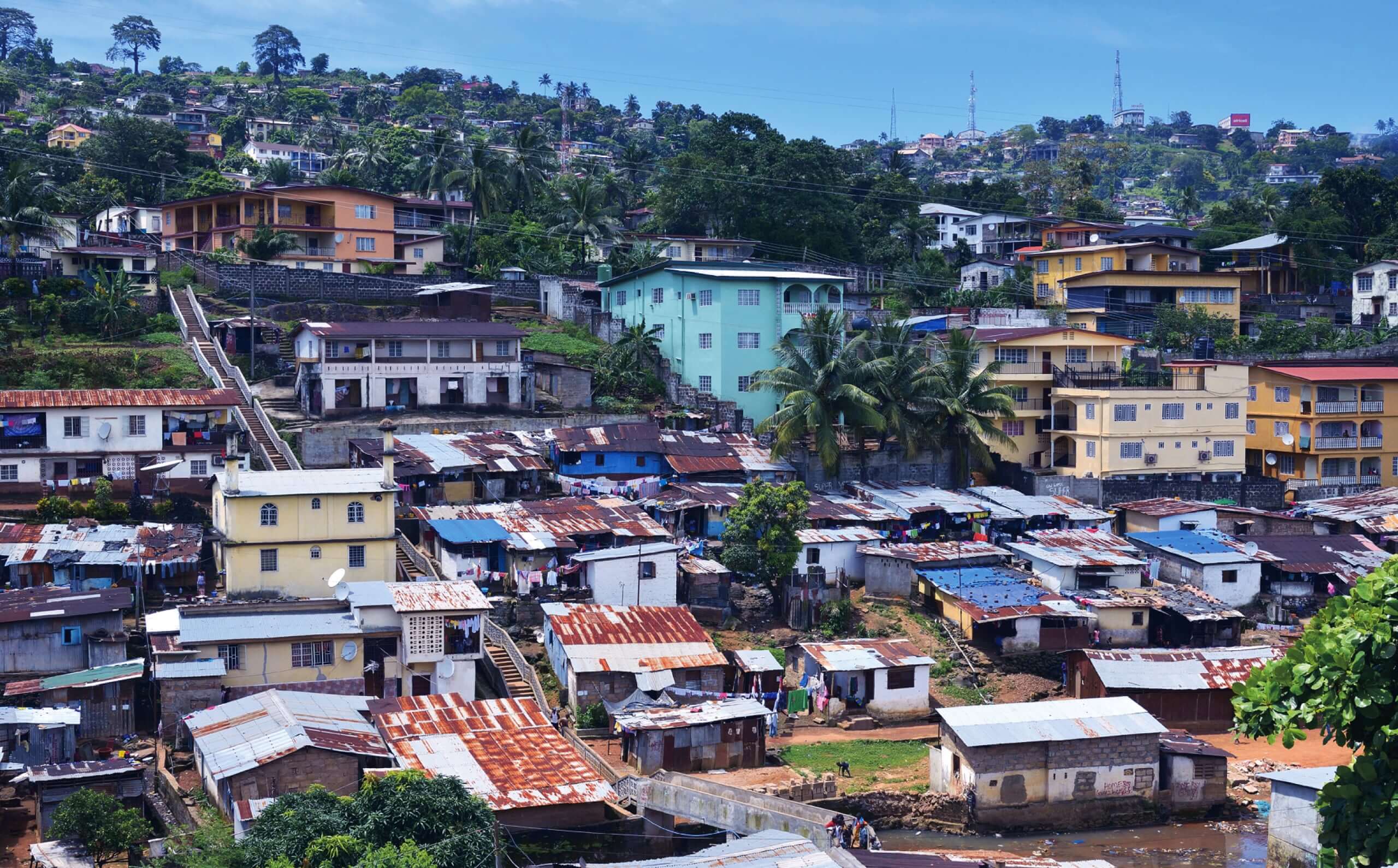
Freetown, Sierra Loene, West Africa © Fabian von Poser, Superstock, courtesy Thames & Hudson

XL
Cities
Just
transition

Just transition remains an important factor in the
low carbon economy including the spatial urban
context. 3 ideas initiated a just transition consortium
‘Mining Industries and the Sustainable Transformation
of Towns with Circular Economy and Just Transition’
for the UNFCCC Climate Change Conference
COP24, Katowice, Poland, and presented a case
study to the Paris Committee on Capacity
Building (PCCB Hub).

Freetown, Sierra Loene, West Africa © Fabian von Poser, Superstock, courtesy Thames & Hudson

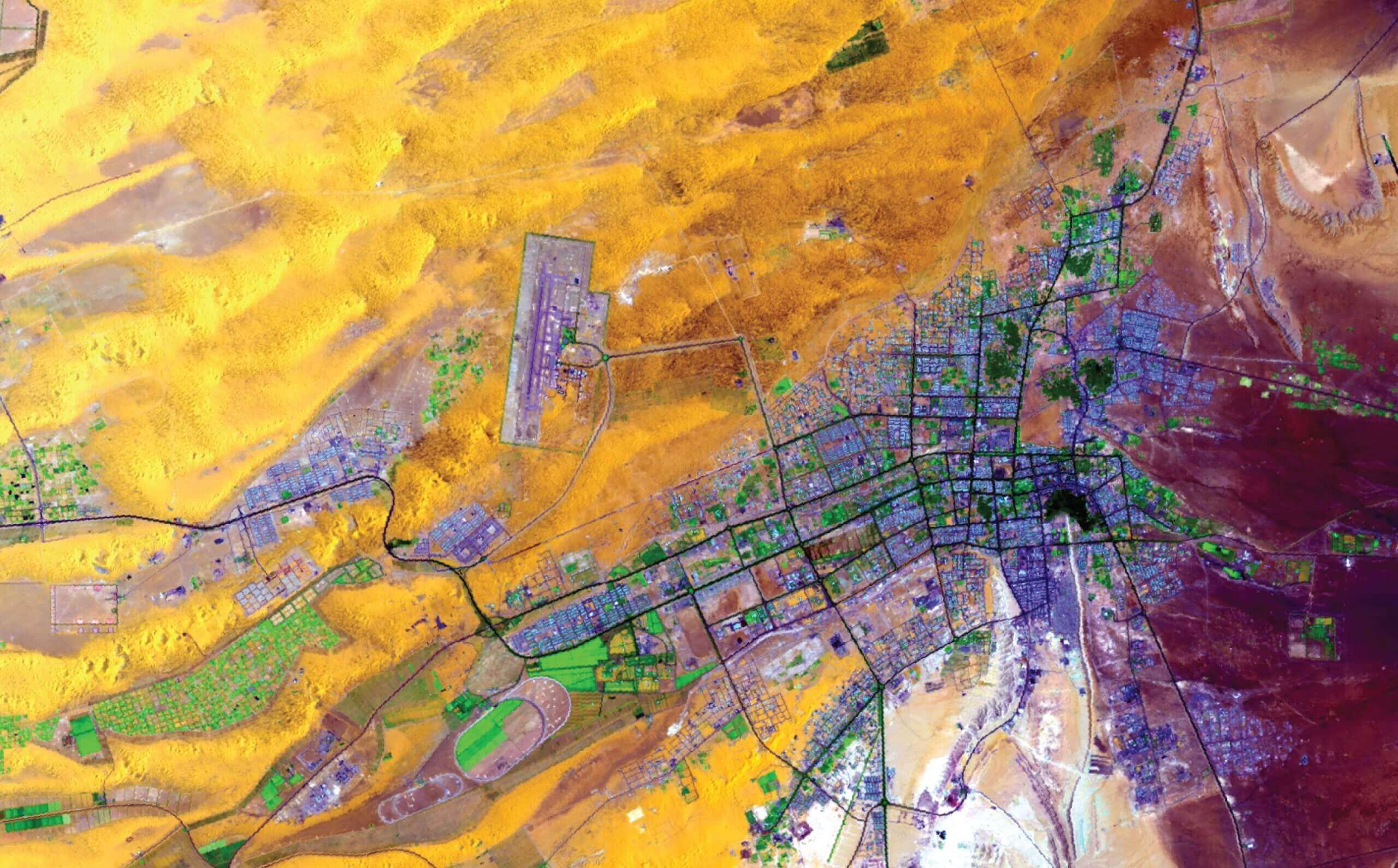
© M. Yougoub

XL
Oasis
Cities

‘Urban and Rural Resilience. Oasis City’
programme aimed to evaluate existing oasis cities
and their symbiosis with rural areas in order to
propose solutions for economic growth, jobs
capacity and resilience building. The project’s goal
was to create viable and alternative livelihood
strategies for oases inhabitants in Morocco, UAE,
Oman and Egypt whilst protecting and conserving
the biodiversity and cultural knowledge. Presented at
the UNFCCC COP22 in 2016, Marrakech, Morocco.

© M. Yougoub